Back to Blogs

Are Dental Implants Right for You?

Understanding dental implant candidacy, health factors, and process steps helps determine if this restorative solution is right for you.

September 8, 2026
โ€ข
2 min read
Taylor, wearing a pink blouse, sips from a white mug while sitting at a kitchen counter with avocado toast and a bowl of berries nearby.
Back to Blogs

Are Dental Implants Right for You?

Taylor, wearing a pink blouse, sips from a white mug while sitting at a kitchen counter with avocado toast and a bowl of berries nearby.

Understanding dental implant candidacy, health factors, and process steps helps determine if this restorative solution is right for you.

September 8, 2026
โ€ข
2 min read

Considering Dental Implants?

Deciding if dental implants are the right choice for restoring your smile involves understanding several important factors. These permanent tooth replacements offer a remarkable solution for missing teeth, blending seamlessly with natural dentition. It's a significant investment in both oral health and confidence, and discerning suitability ensures the best possible outcome. Dr. Maher Farag at Lakeland Dental Center guides many patients through this careful evaluation process.

The journey often begins with a simple question: "Can I get dental implants?" This was precisely Taylor's initial thought when she visited Lakeland Dental Center. Taylor, a woman in her late 40s, felt increasingly self-conscious about a gap in her upper jaw.

She had lost a molar years ago and was exploring options beyond a traditional bridge or removable denture. Taylor sought a solution that felt natural, stable, and long-lasting for her specific needs.

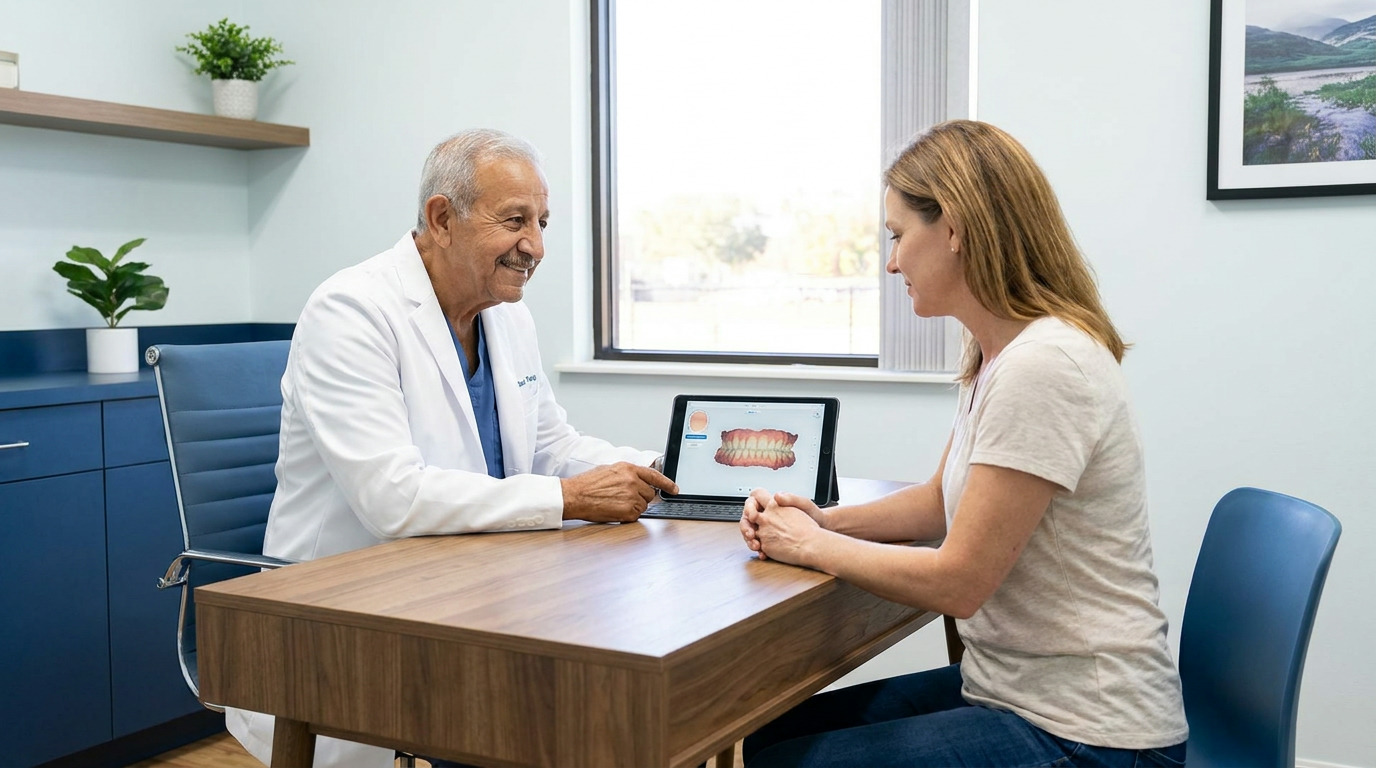
Dr. Maher Farag, wearing a white lab coat, smiles and points at a tablet displaying a 3D dental scan to Taylor, who sits across a wooden desk from him.

Am I a Candidate for Implants?

A good candidate for dental implants typically possesses sufficient jawbone density and healthy gum tissue. Dr. Maher Farag emphasizes that a strong foundation is crucial for the successful integration of the implant into the bone. During a comprehensive evaluation, he carefully assesses the bone structure and overall oral health to determine if it can adequately support the new tooth root. Taylor learned that while her bone loss wasn't extreme, it was a factor Dr. Farag would need to consider.

Fortunately, modern dentistry offers solutions for many individuals who might initially seem to lack ideal bone volume. Procedures like bone grafting can build up the jawbone, making implant placement possible for a broader range of patients. This adaptability ensures that more people can benefit from the stability and longevity dental implants provide. Dr. Farag discussed these possibilities with Taylor, offering her reassurance that several paths could lead to her desired outcome.

Important factors for implant candidacy include:

  • Healthy Gums: Free from active periodontal disease, which can compromise implant stability.
  • Adequate Bone: Sufficient jawbone volume and density are essential for successful osseointegration.
  • Good General Health: Systemic conditions like uncontrolled diabetes can impact healing and implant success.
  • Commitment to Oral Hygiene: Diligent brushing and flossing are crucial for long-term implant health.
  • Non-Smoker: Smoking significantly reduces the success rate of dental implants due to impaired healing.
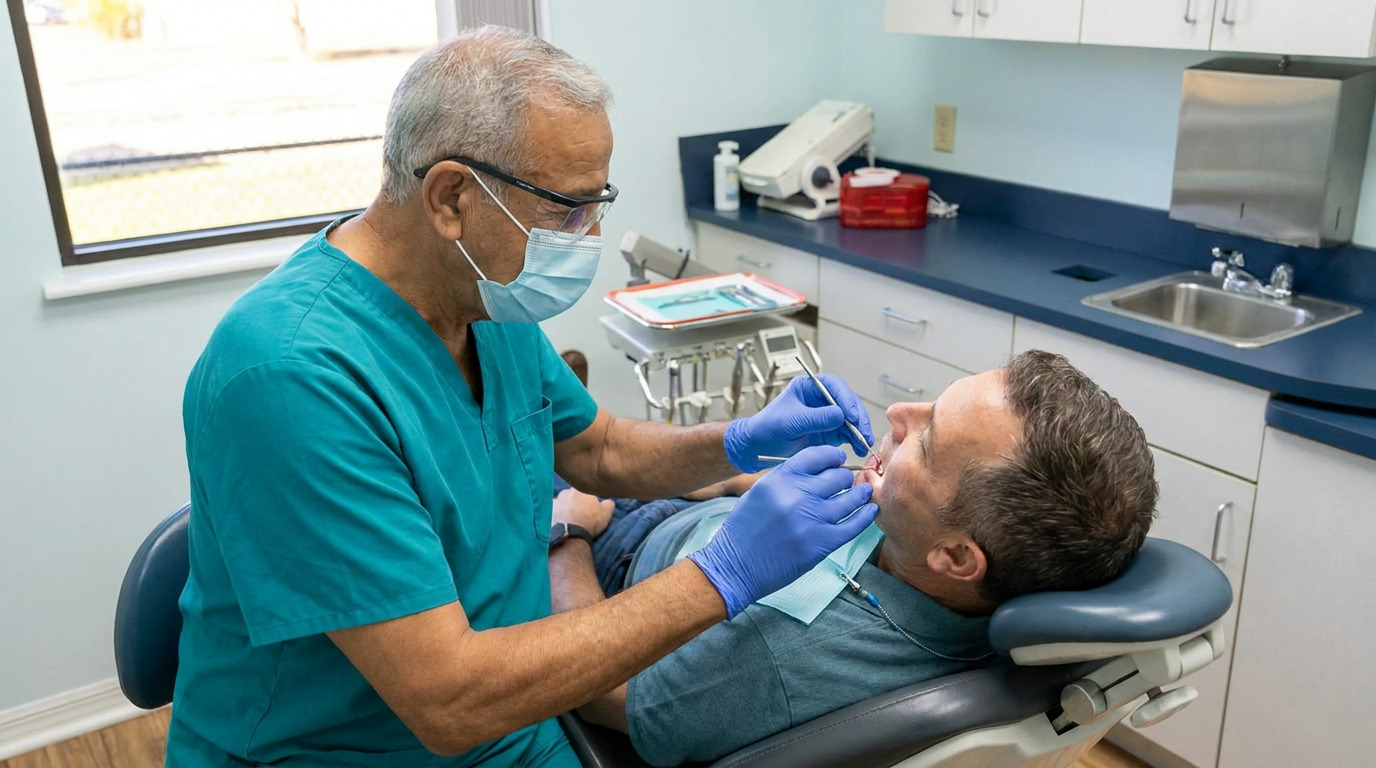
A patient reclines in a dental chair as a dentist in teal scrubs, mask, and safety glasses examines his mouth with tools, while another dental professional in similar attire stands nearby.

Health Factors and Implants

Several systemic health conditions can influence the success and healing of dental implants. Dr. Maher Farag always conducts a thorough review of a patient's medical history before recommending any implant dentistry procedure. Conditions like uncontrolled diabetes, autoimmune diseases, or certain medications can affect bone healing and the body's ability to fight infection, making careful consideration essential.

Taylor openly shared her medical history with Dr. Farag, including a well-managed thyroid condition. Dr. Farag explained that while a history of certain conditions requires careful management, it doesn't automatically disqualify someone from receiving implants. He collaborates closely with patients' primary care physicians to ensure a holistic approach to their oral health. This comprehensive strategy ensures that all potential risks are minimized.

Certain health factors require careful consideration:

  • Uncontrolled Diabetes: Can impair healing and increase infection risk.
  • Autoimmune Diseases: May affect the body's ability to integrate the implant.
  • Immunosuppressant Medications: Can slow healing and increase vulnerability to infection.
  • Bisphosphonate Use: Can affect bone metabolism and implant integration.
  • Severe Osteoporosis: May impact bone quality and density for implant support.
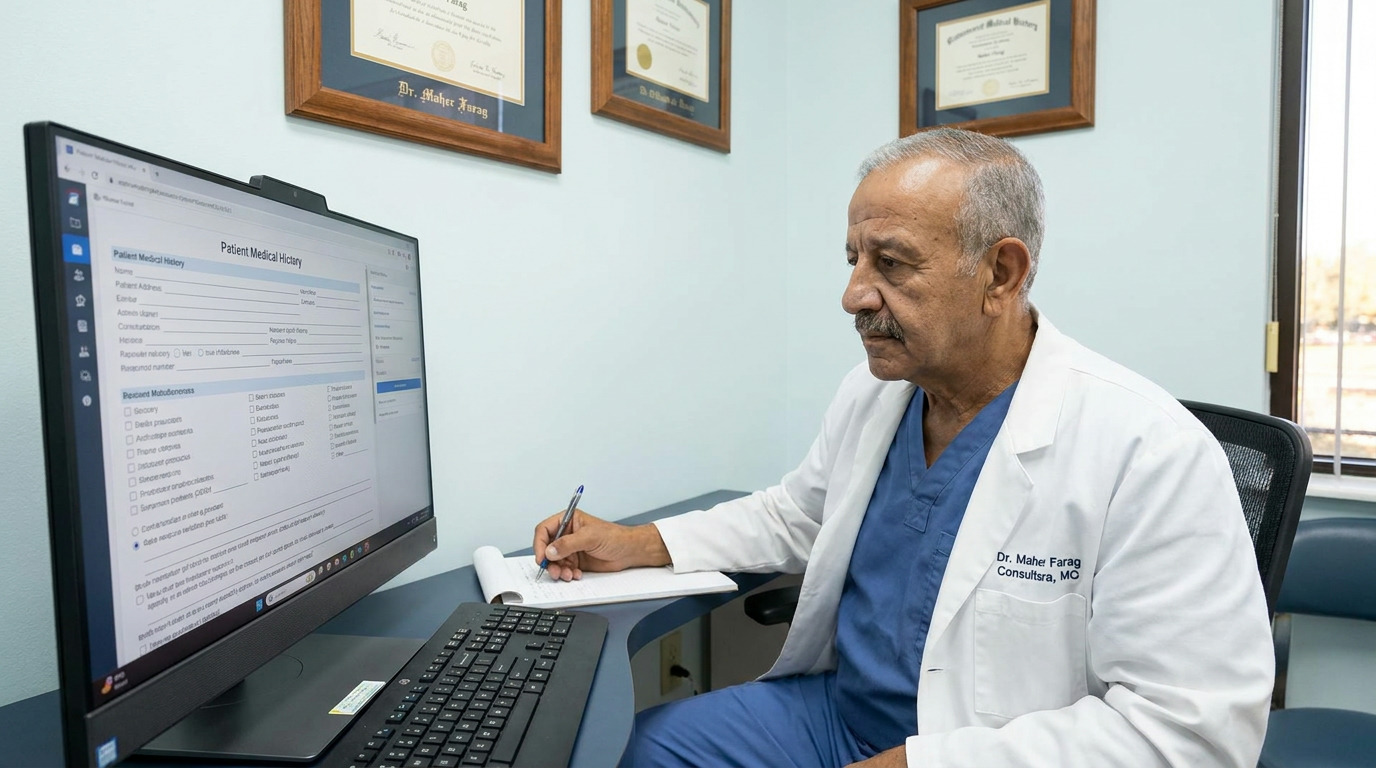
Dr. Maher Farag, wearing blue scrubs and a white lab coat, sits at a desk, looking at a computer monitor displaying a "Patient Medical History" form while writing on a notepad. Framed certificates hang on the light blue wall behind him.

Implant Options

Dental implants offer remarkable versatility, providing solutions for replacing a single missing tooth, several teeth, or even an entire arch. Dr. Maher Farag often explains that the best approach depends entirely on the individual's unique needs and the extent of tooth loss. For Taylor, who was missing a single molar, a single dental implant was the most appropriate and natural-looking solution.

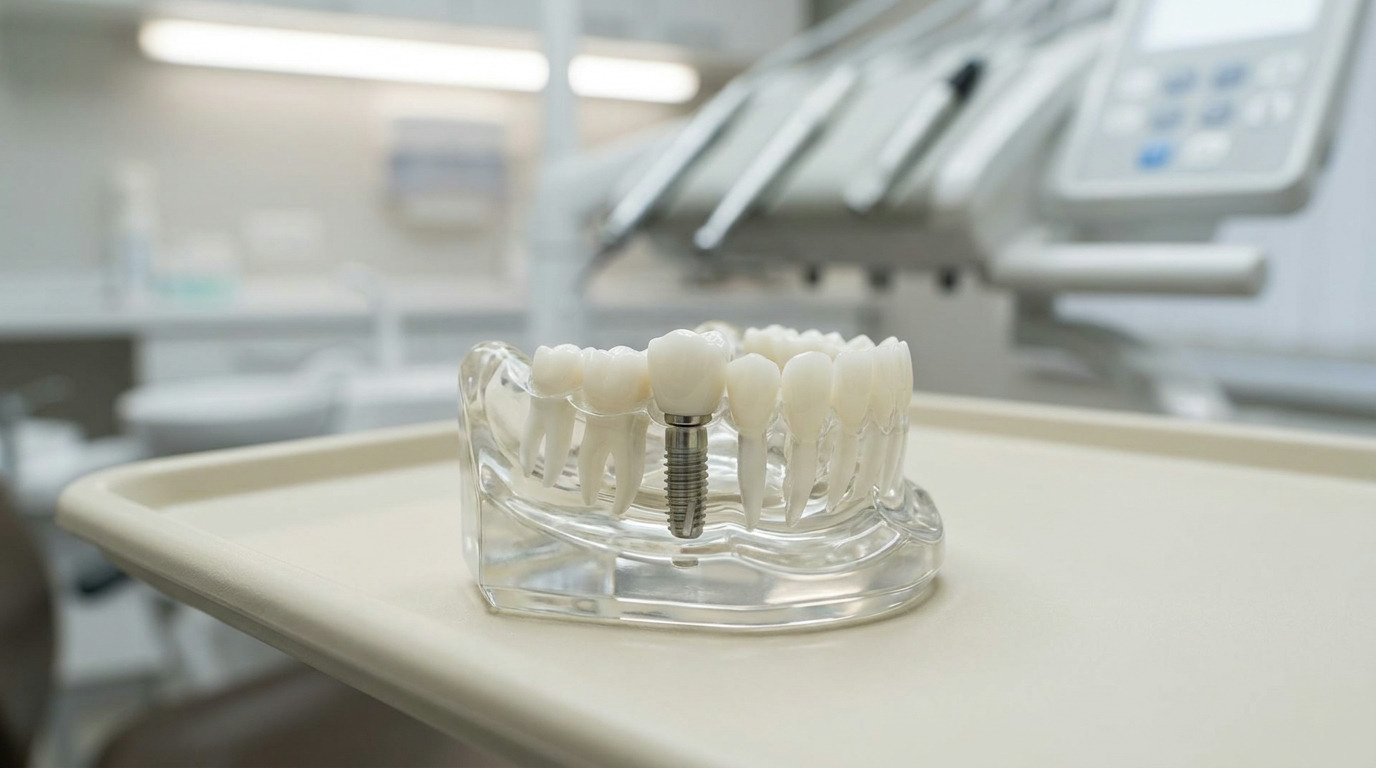
This type of implant consists of a titanium post surgically placed into the jawbone, topped with an abutment, and finally, a custom-made crown. This standalone solution avoids impacting adjacent healthy teeth, unlike a traditional bridge. For patients with multiple missing teeth, implant-supported bridges can replace several teeth without the need for an implant for every single missing tooth. This provides excellent stability and function.

For those facing the loss of an entire arch of teeth, full-arch solutions like All-on-4ยฎ dental implants provide a fixed, stable alternative to traditional dentures. These innovative systems use strategically placed implants to support a full set of prosthetic teeth. Dr. Farag noted that the stability offered by implants significantly improves chewing efficiency and speaking clarity compared to removable dentures.

A clear acrylic jaw model with white teeth and a single dental implant is displayed on a light-colored tray in a dental office with blurred equipment in the background.

Schedule Your Implant Consultation

Ready to explore if dental implants are the right solution for your smile? Contact Lakeland Dental Center today to schedule a personalized consultation with Dr. Maher Farag. He will assess your specific needs and discuss all available options to restore your oral health and confidence. Our team is here to answer your questions and guide you through every step of the process.

Implants vs. Dentures and Bridges

When comparing dental implants to traditional dentures or bridges, the key differentiators lie in stability, bone preservation, and overall comfort. While dentures are removable prosthetics and bridges rely on adjacent teeth for support, dental implants offer a permanent and independent tooth replacement. Dr. Maher Farag explains that implants function much like natural teeth, providing unparalleled stability. Taylor particularly appreciated hearing about the confidence implants could restore.

Unlike dentures, which can slip and require adhesives, implants are securely fused with the jawbone. This prevents the discomfort and embarrassment often associated with loose dentures. Furthermore, implants stimulate the jawbone, helping to prevent the bone loss that commonly occurs after tooth extraction. This preservation of bone structure helps maintain facial aesthetics over time. This makes dental implants a highly desirable solution for many.

Key distinctions include:

  • Bone Preservation: Implants stimulate the jawbone, preventing loss; dentures and bridges do not.
  • Stability & Function: Implants are fixed and function like natural teeth; dentures can shift, and bridges rely on healthy abutment teeth.
  • Longevity: Implants can last a lifetime with proper care; bridges typically last 10-15 years, and dentures may need frequent adjustments.
  • Adjacent Teeth: Implants do not involve altering adjacent healthy teeth, unlike traditional bridges.
  • Comfort: Many patients find implants more comfortable and natural-feeling than removable dentures.
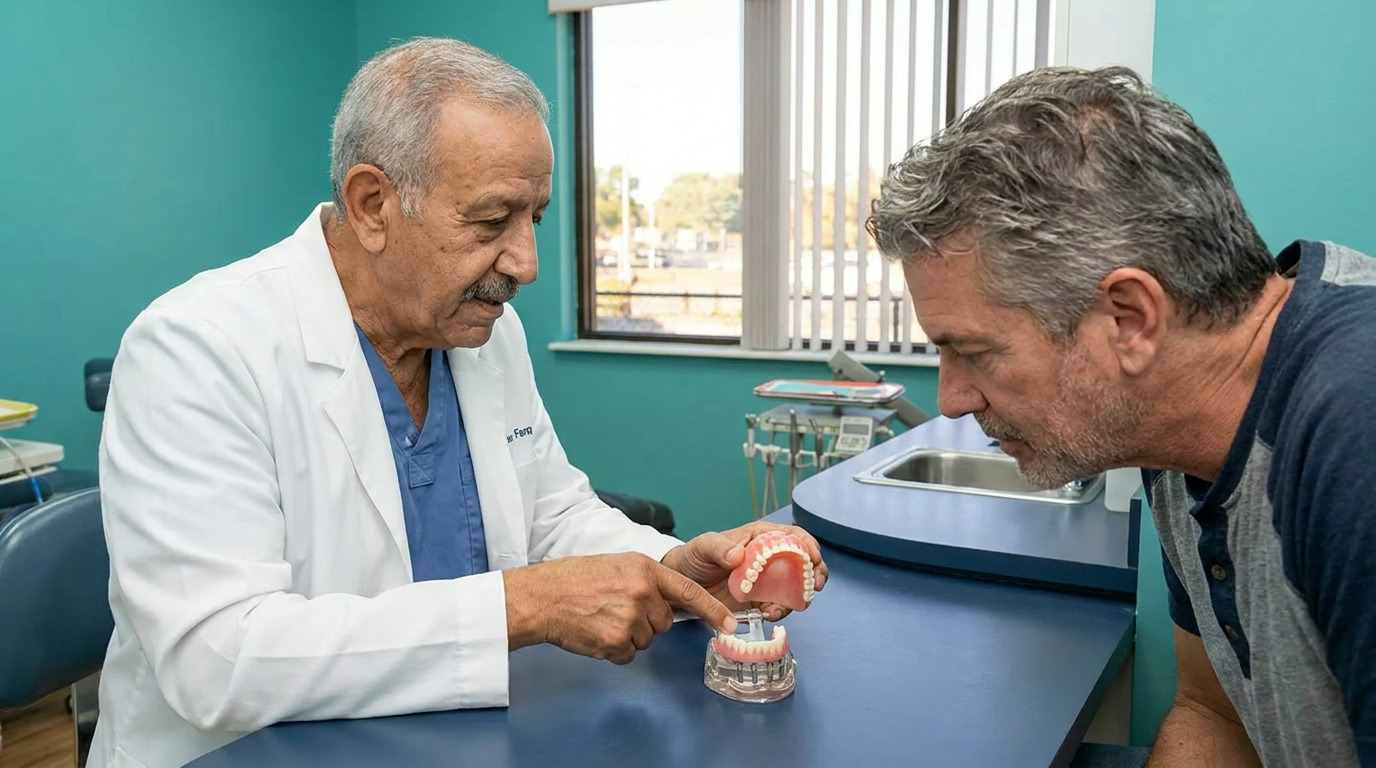
Dr. Maher Farag, in a white lab coat and blue scrubs, points to a dental implant model while showing a full denture to Zachary, who leans in to listen intently at a blue counter in a dental office.

Implant Process Steps

The journey to a restored smile with dental implants typically unfolds in several distinct phases, each meticulously planned by Dr. Maher Farag. It begins with a comprehensive consultation and 3-D imaging to assess bone health and plan the precise implant placement. This initial step is crucial for ensuring the long-term success and aesthetic outcome of the treatment. Taylor found this detailed planning very reassuring.

Next comes the surgical placement of the titanium implant post into the jawbone, often performed with local anesthesia or sedation dentistry for patient comfort. A healing period, usually several months, follows, during which the implant fuses with the bone in a process called osseointegration. This critical phase creates a strong and stable foundation for the new tooth. Dr. Farag carefully monitors this healing progress.

Once osseointegration is complete, an abutment is attached to the implant, acting as a connector for the final restoration. Finally, a custom-designed crown, bridge, or denture is securely placed, completing the transformation. Dr. Farag ensures that each restoration is meticulously crafted to blend seamlessly with the patient's natural teeth in terms of color, shape, and function. The result is a durable, natural-looking replacement.

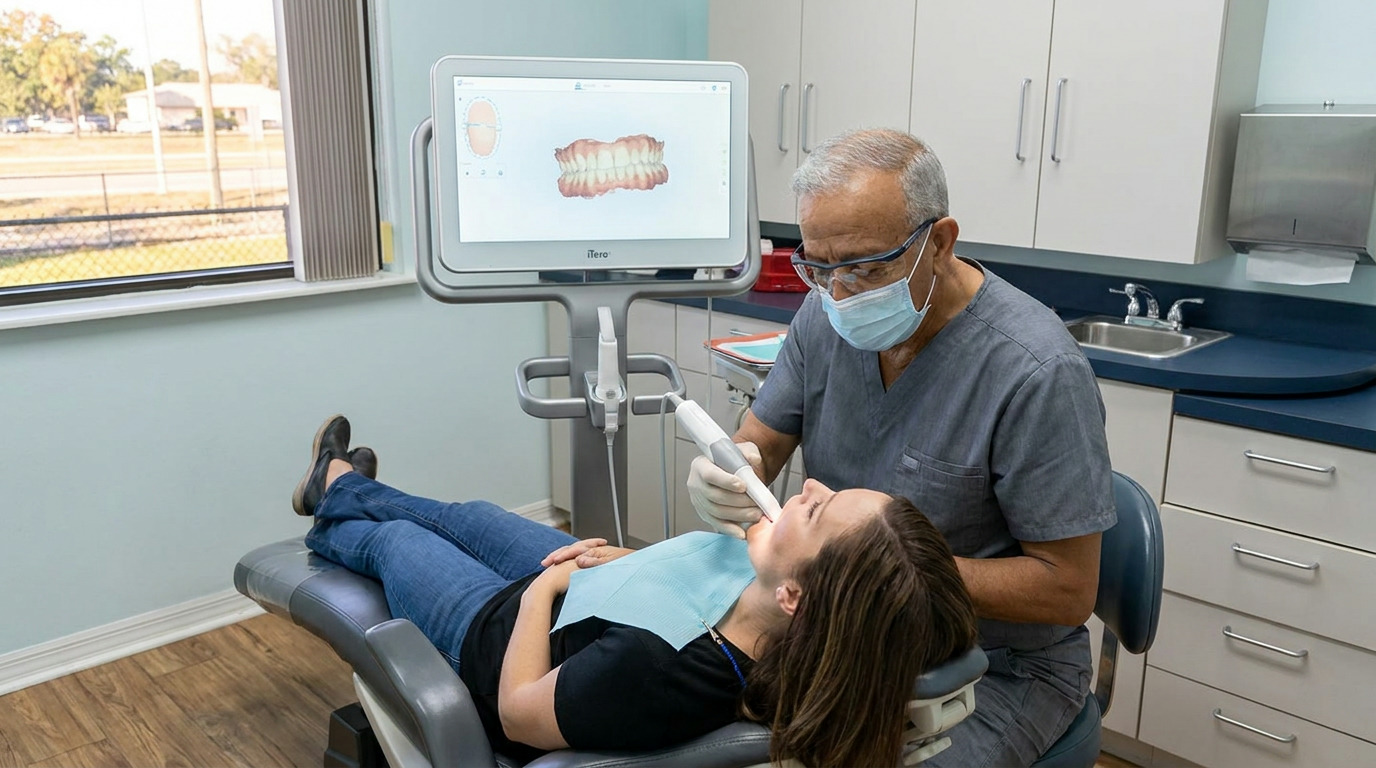
A male dentist in scrubs, mask, and glasses uses an iTero scanner on a female patient in a dental chair, while a screen displays a 3D oral scan in a dental office.

Life With Dental Implants

Living with dental implants is remarkably similar to having your natural teeth, requiring the same diligent oral hygiene practices. Dr. Maher Farag emphasizes that regular brushing, flossing, and routine dental check-ups are paramount for the long-term success and health of your implants. Just like natural teeth, implants are susceptible to gum disease if not properly cared for, so consistent hygiene is non-negotiable.

Patients often report a significant improvement in their quality of life, enjoying their favorite foods again and speaking with renewed confidence. Taylor looked forward to feeling completely natural when eating and smiling. Implants eliminate the need for dietary restrictions often associated with dentures and provide a stable bite that feels strong and secure. This renewed freedom is a major benefit for implant recipients.

Important aspects of implant care:

  • Brush Twice Daily: Use a soft-bristled toothbrush to clean around implants and natural teeth.
  • Floss Daily: Interdental brushes or water flossers can effectively clean hard-to-reach areas around implants.
  • Regular Check-ups: Visit Lakeland Dental Center for professional cleanings and examinations at least twice a year.
  • Avoid Hard/Sticky Foods: While implants are strong, excessive force or very sticky foods can still cause issues over time.
  • Report Any Concerns: Contact Dr. Farag immediately if you notice pain, swelling, or looseness around an implant.
A woman in a gray shirt holds a clear dental model with a toothbrush, demonstrating brushing over a marble vanity with a reflection in the mirror.

Your Restored Smile Journey

Embarking on the journey to a fully restored smile with dental implants is a decision that can profoundly impact a patient's daily life. Dr. Maher Farag has witnessed countless transformations, observing firsthand the boost in confidence and improved quality of life that implants provide.

It's more than just replacing a missing tooth; it's about regaining the ability to eat, speak, and smile without hesitation. Taylor's initial apprehension gave way to enthusiasm as Dr. Farag patiently walked her through every step of the process.

She understood the requirements for candidacy, the stages of treatment, and the commitment to lifelong care. The detailed conversations about her medical history and lifestyle factors ensured she felt fully prepared and informed. Ultimately, Taylor decided that dental implants were indeed the right choice for her. She was ready to invest in a solution that promised permanence, comfort, and the natural aesthetic she desired. For Dr. Farag, seeing patients like Taylor confidently embrace their new smiles is the most rewarding aspect of providing advanced dental care.

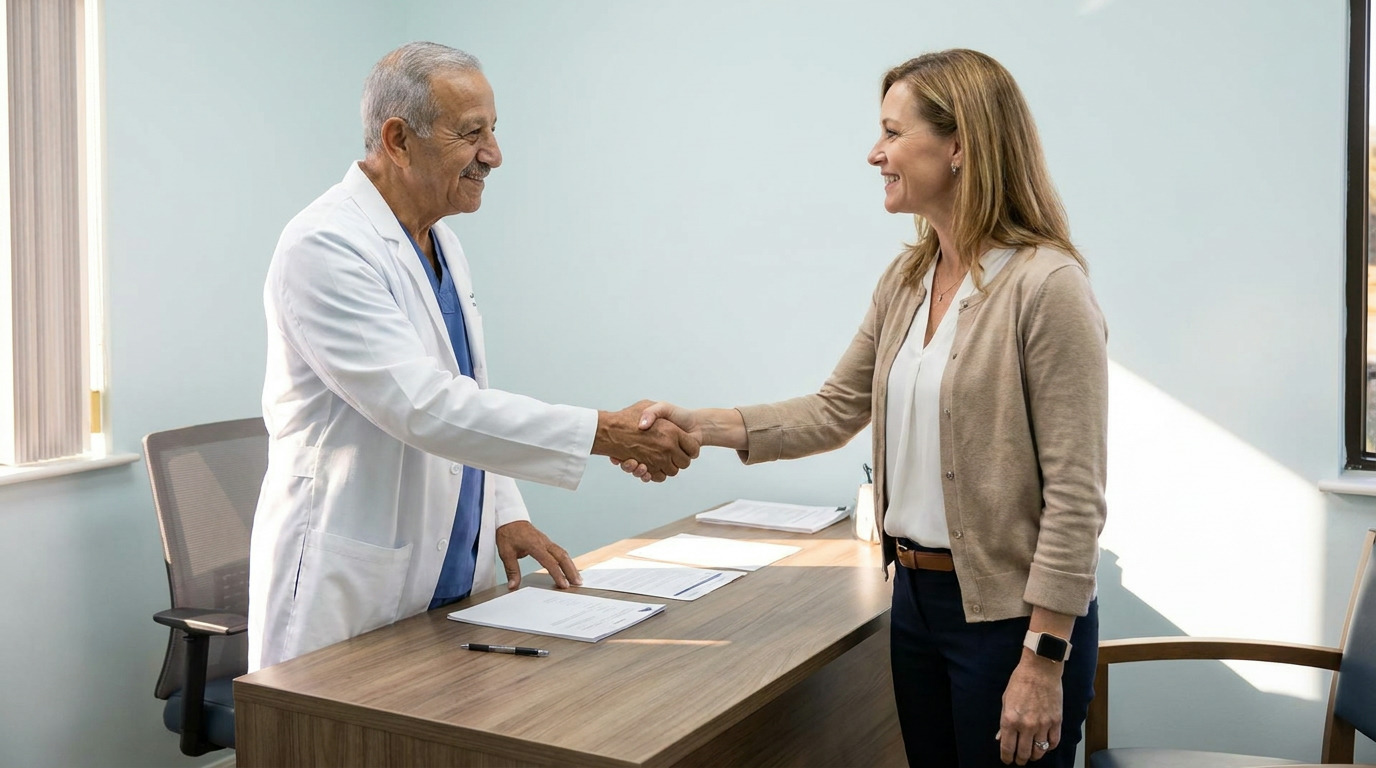
Dr. Maher Farag, wearing a white lab coat over blue scrubs, shakes hands with Taylor, who wears a white blouse and tan cardigan, across a wooden desk with papers and a pen in a light blue office.

Frequently Asked Questions

1. What are dental implants?
Dental implants are titanium posts surgically placed into the jawbone to serve as artificial tooth roots. These posts then support custom-made crowns, bridges, or dentures, providing a stable and natural-looking replacement for missing teeth. They are a durable solution designed to last many years.

2. How long do dental implants last?
With proper care and good oral hygiene, dental implants can last a lifetime. The implant post itself, being made of titanium, is highly durable. The crowns or other restorations attached to the implant may need to be replaced after 10-15 years due to wear, but the implant foundation typically remains intact.

3. Is getting dental implants painful?
The dental implant placement procedure is performed under local anesthesia, so patients generally do not experience pain during the surgery. Dr. Maher Farag also offers sedation dentistry options to ensure comfort. Some soreness and mild discomfort are common in the days following the procedure, manageable with over-the-counter pain relievers.

4. How long is the recovery period for dental implants?
The initial healing period after implant placement typically lasts a few days, with mild soreness. However, the crucial process of osseointegration, where the implant fuses with the jawbone, takes several months, usually 3 to 6 months. During this time, Dr. Maher Farag carefully monitors the healing progress.

5. Can dental implants fail?
While dental implants have a very high success rate, typically over 95%, failure is possible, though rare. Factors that can contribute to failure include poor oral hygiene, smoking, uncontrolled diabetes, and inadequate bone density. Dr. Maher Farag takes every precaution during the planning and placement phases to minimize these risks.

6. How do I care for my dental implants?
Caring for dental implants is much like caring for your natural teeth. Regular brushing twice a day, daily flossing (with special attention around the implant), and routine dental check-ups with professional cleanings are essential. Dr. Maher Farag will provide specific instructions tailored to your individual needs to ensure optimal implant health.


Stay Informed with Expert Insights & Tips About Dental Care

8.6.2026

What to Expect During a Dental X-Ray Visit

Dental X-rays are a vital diagnostic tool, revealing hidden issues not visible to the naked eye, and modern digital X-rays significantly reduce radiation exposure for patient safety.

7.10.2026

What to Know Before Getting a Dental Bridge

Dental bridges are fixed restorations that replace missing teeth, restoring function, aesthetics, and preventing shifts in adjacent teeth.

7.10.2026

Lakeland Dental Crowns

Dental crowns offer a durable and aesthetic solution for restoring damaged teeth, protecting them from further issues and improving overall oral health.

Stories Behind Lakelandโ€™s Smiles

At Lakeland Dental Center, our patientsโ€™ experiences speak for themselves. From gentle cleanings to transformative cosmetic and implant treatments, each story reflects the care, comfort, and confidence we strive to deliver every day.

๏€…
๏€…
๏€…
๏€…
๏€…
I was nervous at first, but Dr. Maher Farag made the entire visit so calming and comfortable. The team is incredibly kind. I finally feel confident about my dental care.
Olivia K.
๏€…
๏€…
๏€…
๏€…
๏€…
โ€œI had a sudden dental emergency, and Dr. Maher Farag saw me right away. He handled everything quickly and gently. Iโ€™m beyond grateful.
Chloe M.
๏€…
๏€…
๏€…
๏€…
๏€…
Dr. Mark Farag is both professional and personable. Every appointment feels smooth and stress-free. I trust him completely with my care.
Samuel J.
๏€…
๏€…
๏€…
๏€…
๏€…
The moment I stepped in, I felt welcomed. Dr. Maher Farag is incredibly gentle and thorough. Iโ€™m so happy I found this practice.
Hailey V.
๏€…
๏€…
๏€…
๏€…
๏€…
Very professional and enjoyable office. Explained all aspects of what dental treatment I received and needed in the future. They are patient centered and answer all your questions regarding your needs. A great experience from start to finish.
Dennis R.
๏€…
๏€…
๏€…
๏€…
๏€…
Hands down the best dental experience Iโ€™ve ever had. Dr. Mark Farag listened to my concerns and provided exceptional care.
Lucas H.
๏€…
๏€…
๏€…
๏€…
๏€…
Dr. Maher Farag transformed my smile with such precision and care. His attention to detail is truly exceptional. I highly recommend him.
Isabella F.
๏€…
๏€…
๏€…
๏€…
๏€…
Every visit with Dr. Mark Farag is easy and reassuring. He explains everything clearly and genuinely cares about his patients.
Ryan S.
๏€…
๏€…
๏€…
๏€…
๏€…
As someone who struggles with dental anxiety, I canโ€™t thank Dr. Maher Farag enough. His gentle approach made all the difference.
Maya D.
๏€…
๏€…
๏€…
๏€…
๏€…
Fantastic care from start to finish. Dr. Mark Farag was professional, patient, and extremely skilled. My treatment was painless and the outcome exceeded expectations.
Christian W.

Schedule An Appointment

Now Accepting New Patients
Business Hours

Thank you for booking your appointment!

Weโ€™ve received your request and will contact you soon to confirm the details. We look forward to seeing you at Lakeland Dental Center.

We couldnโ€™t submit your form.

Something interrupted the process, possibly a slow connection or a temporary glitch. Try again in a moment. If your info disappeared, we're really sorry and ready to help if you need it.