
Back to Blogs

What to Expect During a Dental X-Ray Visit

Dental X-rays are a vital diagnostic tool, revealing hidden issues not visible to the naked eye, and modern digital X-rays significantly reduce radiation exposure for patient safety.

August 6, 2026
β€’
2 min read
Allison, in a navy sweater, sits at a wooden kitchen island, opening a gray case to reveal clear aligners, with a bowl and mug nearby.
Back to Blogs

What to Expect During a Dental X-Ray Visit

Allison, in a navy sweater, sits at a wooden kitchen island, opening a gray case to reveal clear aligners, with a bowl and mug nearby.

Dental X-rays are a vital diagnostic tool, revealing hidden issues not visible to the naked eye, and modern digital X-rays significantly reduce radiation exposure for patient safety.

August 6, 2026
β€’
2 min read

The Importance of Dental X-Rays

Dental X-rays are a fundamental diagnostic tool that allows Dr. Mark Farag and his team to see beyond the visible surfaces of your teeth and gums. These images reveal hidden issues like cavities between teeth, bone loss, and even potential tumors, making them crucial for comprehensive oral health. They provide vital information that a visual exam alone simply cannot detect.

Allison, a woman in her early 30s, recently moved to Lakeland and was looking for a new dental home. She hadn't had X-rays in a few years and felt a bit anxious about the process. Her main concern was understanding why they were necessary and if they were truly safe.

She wanted to ensure she was proactive about her oral health without undue exposure to radiation. Dr. Farag's office assured her they would address all her questions during her initial cleanings and exams appointment.
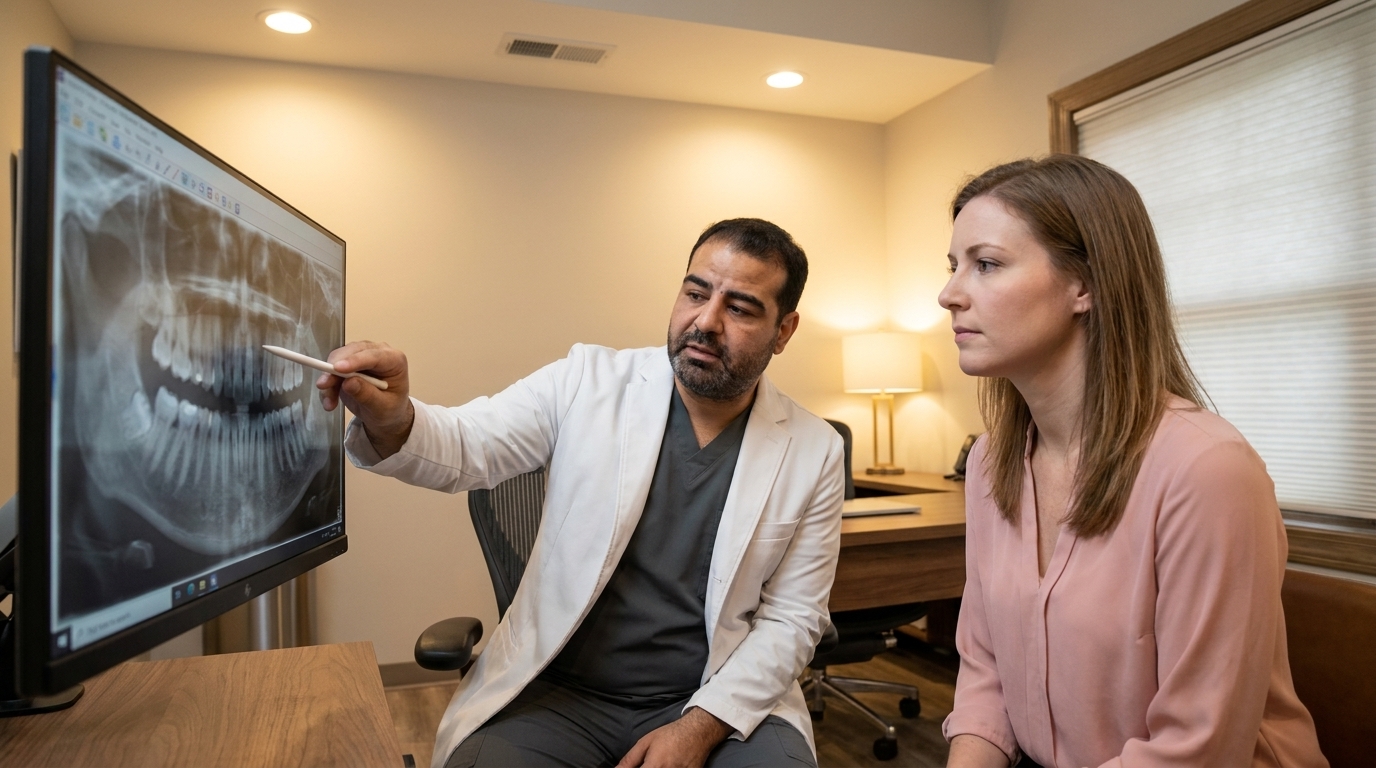
Dr. Mark Farag, wearing a white lab coat over gray scrubs, points to a dental X-ray on a computer monitor as a woman in a pink blouse looks on in a modern office with warm lighting.

How Often Are Dental X-Rays Needed?

The frequency of dental X-rays largely depends on an individual's oral health, age, and risk factors for dental disease. For new patients like Allison, an initial set of X-rays provides a crucial baseline for Dr. Farag to assess her overall oral health. These first images help him tailor a personalized care plan.

Children, for example, often require more frequent X-rays due to their developing teeth and higher susceptibility to cavities. Adults with good oral health might need them less often than those with a history of gum disease or extensive restorative work. Dr. Farag always adheres to the principle of using the lowest possible radiation dose to achieve diagnostic results.

Common X-Ray Frequencies

  • New Patients: A full set of X-rays, including panoramic and bitewing images, to establish a baseline.
  • Recall Patients (Good Health): Bitewing X-rays every 2-3 years to check for new cavities between teeth.
  • Recall Patients (Higher Risk): Bitewing X-rays annually, or more frequently if there are specific concerns.
  • Children: Bitewing X-rays every 6-12 months, depending on cavity risk.
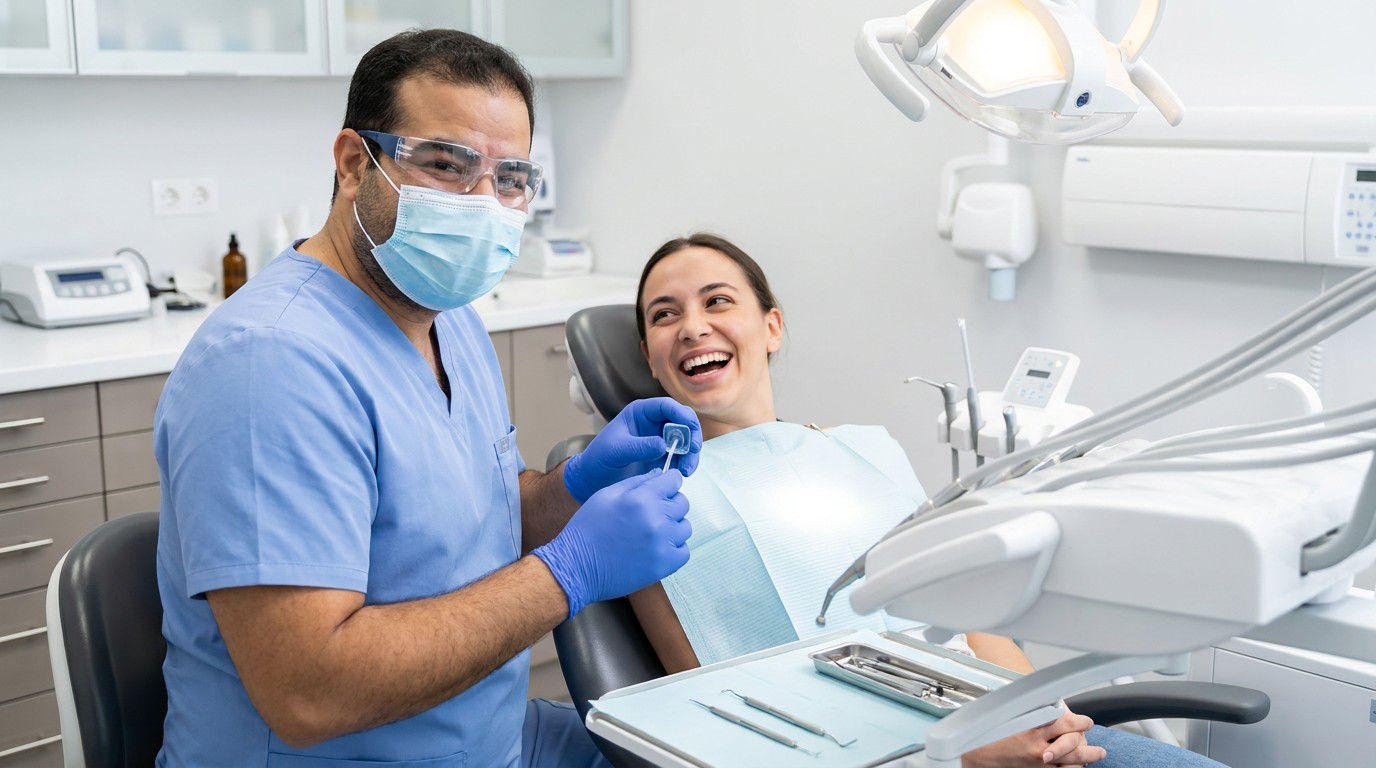
Dr. Mark Farag, wearing blue scrubs, a surgical mask, safety glasses, and blue gloves, holds a small plastic X-ray sensor while a woman in a dental chair laughs.

Are Dental X-Rays Safe?

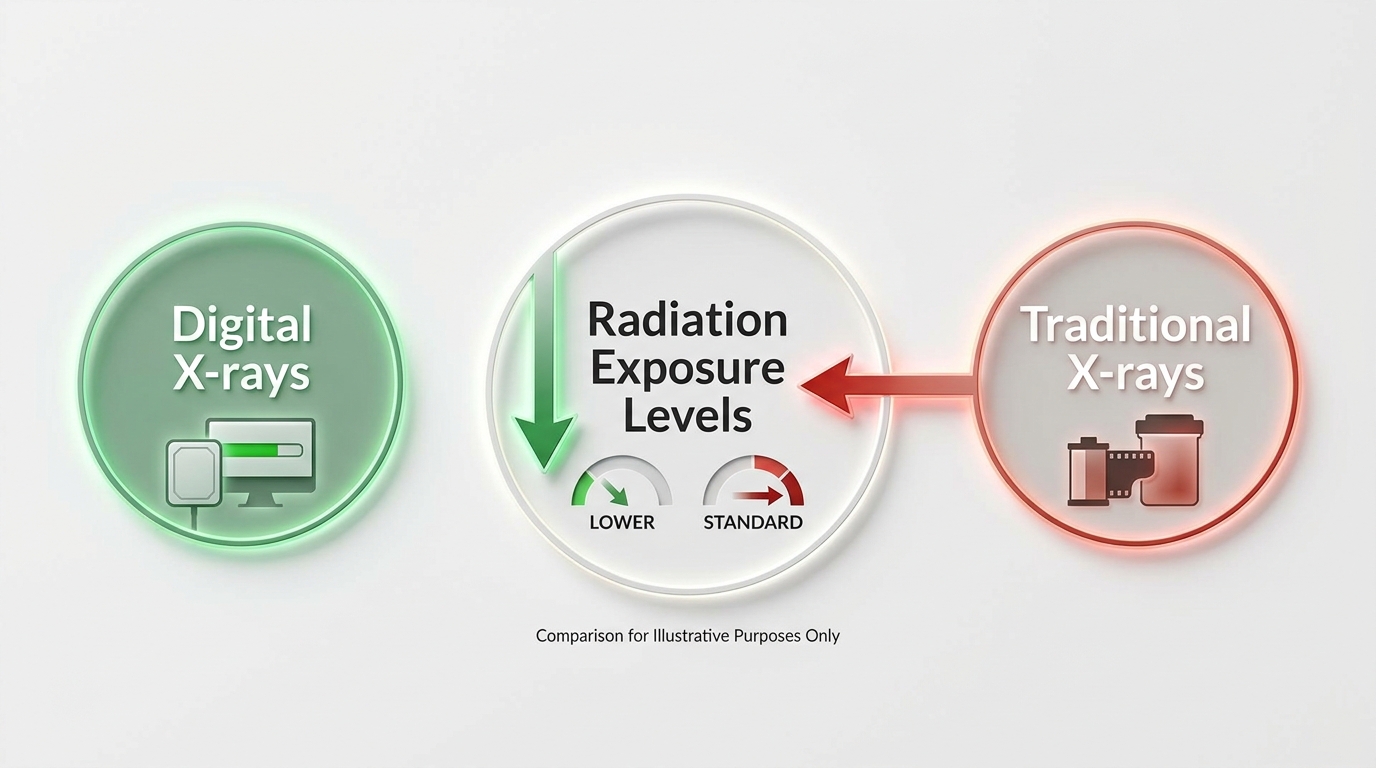
Many patients, including Allison, often wonder about the safety of dental X-rays. Modern dental X-ray technology, particularly digital X-rays, uses significantly less radiation than traditional film X-rays. Dr. Farag prioritizes patient safety by employing ALARA principles, meaning "As Low As Reasonably Achievable."

This approach ensures that while diagnostic information is gathered, radiation exposure is minimized. The amount of radiation from a typical dental X-ray series is comparable to the amount you receive from everyday environmental sources over a few days. Patients wear a lead apron to shield their body during the brief exposure.

Radiation Safety Measures

  • Digital Technology: Reduces radiation exposure by up to 90% compared to traditional film.
  • Lead Aprons: Provides essential shielding for vital organs during the X-ray process.
  • Targeted Imaging: Only the necessary areas are imaged, minimizing scatter radiation.
  • Strict Protocols: Dr. Farag follows established guidelines for X-ray frequency and technique.
An infographic displays three circles: "Digital X-rays" with a green glow, "Radiation Exposure Levels" in the center, and "Traditional X-rays" with a red glow.

What If I'm Pregnant?

Allison hadn't planned on becoming pregnant soon, but she was curious about dental X-rays during pregnancy. Dr. Mark Farag emphasizes that patient safety is always the top concern, especially for expectant mothers. While the radiation from dental X-rays is very low, most dentists, including Dr. Farag, prefer to postpone routine X-rays until after childbirth.

If a dental emergency arises during pregnancy, such as a severe toothache or infection, X-rays may be deemed necessary. In such cases, extra precautions are taken, including doubling up on lead shielding, to protect both the mother and the developing baby. Open communication with your dentist and obstetrician is always key.

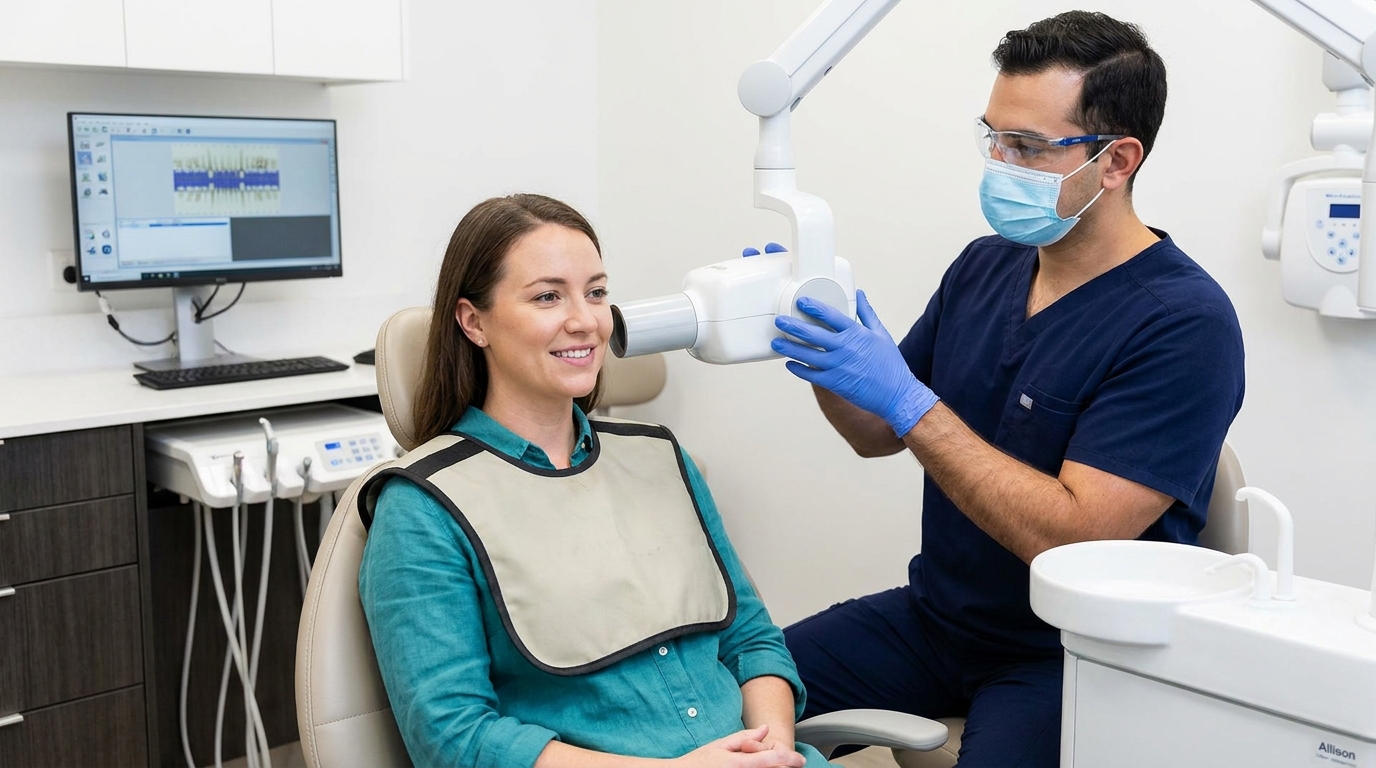
A woman in a dental chair with a lead apron smiles while a male dentist in blue scrubs, a mask, safety glasses, and gloves positions an X-ray machine near her face.

Schedule Your Visit

Ready to experience comprehensive dental care that prioritizes your comfort and health? Contact Lakeland Dental Center today to schedule your next cleaning and exam. Dr. Mark Farag and his team are dedicated to using the latest technology, including safe digital X-rays, to ensure your smile stays healthy and vibrant.

Types of Dental X-Rays

During Allison's visit, Dr. Farag explained the different types of dental X-rays and what each reveals. This helped demystify the process and highlighted the comprehensive view his team gains of her oral health. Each type serves a distinct diagnostic purpose, allowing for a thorough evaluation.

Understanding these distinctions can help patients feel more comfortable and informed about their dental care. Dr. Farag's office often uses 3-D imaging in more complex cases, providing an even more detailed anatomical view.

Common Dental X-Ray Types

  • Bitewing X-rays: Show the crowns of upper and lower teeth in a single image, primarily used to detect cavities between teeth and assess bone levels.
  • Periapical X-rays: Capture the entire tooth, from crown to root tip, and the surrounding bone, useful for diagnosing issues like abscesses or bone loss.
  • Panoramic X-rays: Provide a broad, single image of the entire mouth, including all teeth, jaws, and surrounding structures, excellent for detecting impacted teeth or jaw problems.
  • Full Mouth Series: A combination of bitewing and periapical X-rays that captures every tooth in detail, providing a comprehensive overview.
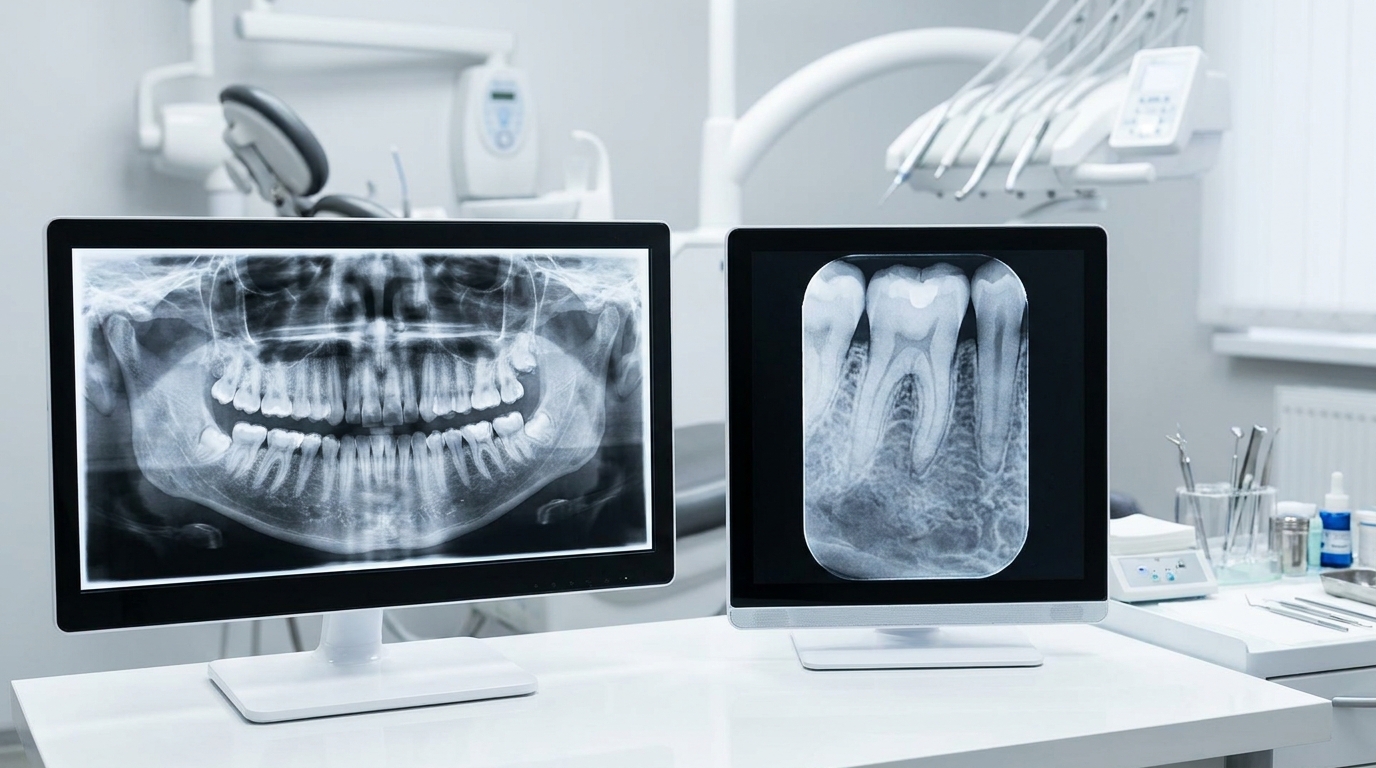
Two computer monitors display dental X-rays in a dental office with a dental chair and instruments in the background.

What Do Dentists Look For?

Allison learned that dental X-rays are far more than just looking for cavities. Dr. Mark Farag explained that he uses them to uncover a wide array of oral health issues that are not visible during a routine visual exam. This comprehensive diagnostic power is why they are indispensable for preventive care.

He showed her how X-rays reveal the early stages of decay between teeth, where it's still small and easier to treat with a simple filling. They also help identify bone loss due to gum disease, which can be treated to prevent further deterioration. Dr. Farag can also spot issues with existing dental work, such as failing fillings or crowns.

X-rays also play a critical role in planning treatments like dental implants or orthodontics, ensuring precise and effective care. They can even detect cysts, tumors, or other abnormalities in the jawbone before they become significant problems. This proactive detection is key to maintaining long-term oral health.

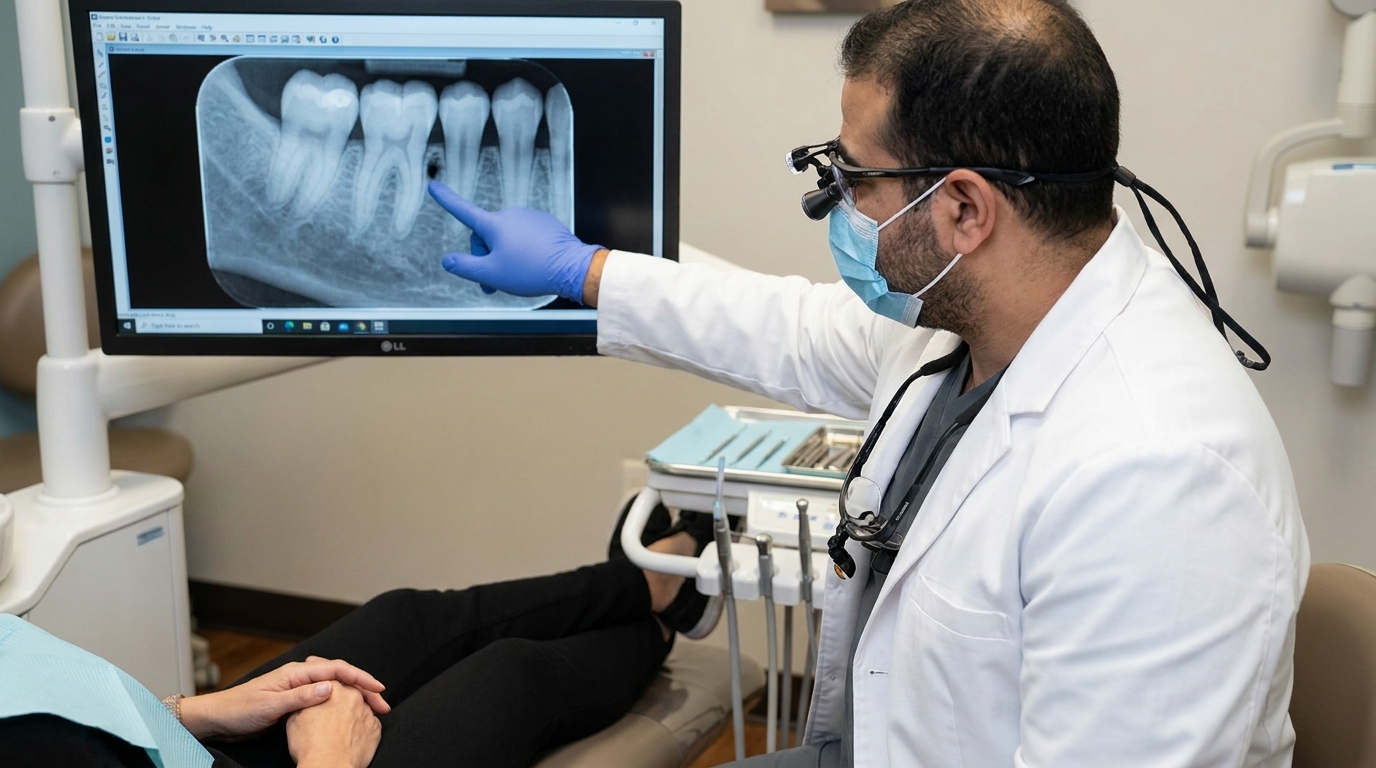
Dr. Mark Farag, wearing a white lab coat, blue surgical mask, and loupes, points to a dental X-ray on a monitor while a patient lies in a dental chair.

Digital vs. Traditional X-Rays

During her consultation, Allison was curious about the difference between older film X-rays and the digital ones Dr. Mark Farag uses. He explained that digital X-rays are a significant advancement in dental technology, offering numerous benefits for both patients and the dental team. The key difference lies in how the image is captured and processed.

With digital X-rays, a small electronic sensor is placed in the mouth instead of film. This sensor instantly transmits the image to a computer, where it can be viewed immediately. This eliminates the need for chemical processing, making the process faster and more environmentally friendly.

Benefits of Digital X-Rays

  • Reduced Radiation: Significantly lower exposure compared to traditional film X-rays.
  • Instant Images: No waiting time for film development; images are visible immediately on screen.
  • Enhanced Diagnostics: Images can be magnified, adjusted for contrast, and easily shared with specialists.
  • Eco-Friendly: Eliminates the need for harmful processing chemicals and film waste.
  • Easier Storage: Digital files are securely stored and easily accessible for future comparisons.
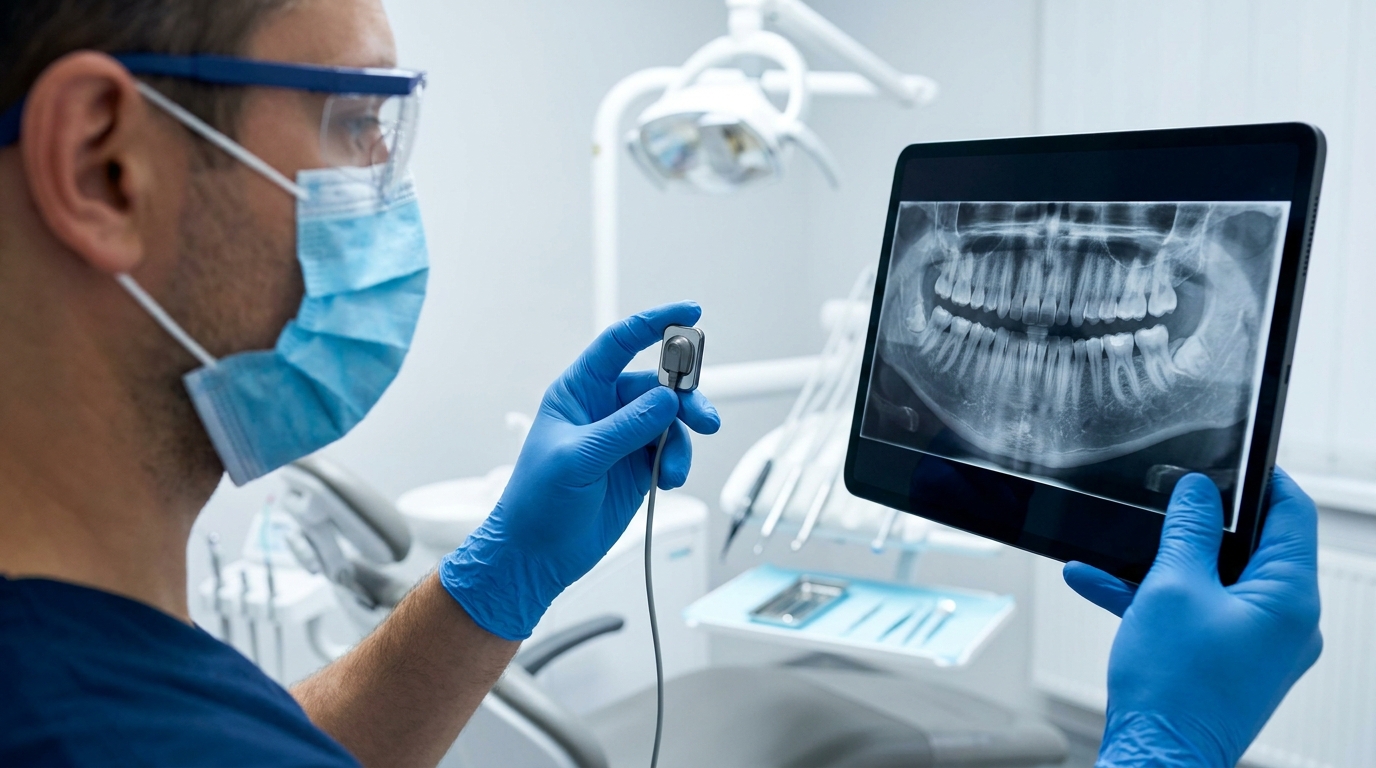
A male dentist in blue scrubs, a blue surgical mask, and safety glasses holds a dental X-ray sensor in his gloved left hand and a tablet displaying a panoramic dental X-ray in his gloved right hand, in a dental office.

Your Comprehensive Oral Health Partner

Allison left Lakeland Dental Center feeling much more informed and reassured about dental X-rays. Her initial anxiety had transformed into a clear understanding of their value as a diagnostic tool.

Dr. Mark Farag's thorough explanations and the clear benefits of digital technology made her feel confident in her choice of dental practice. She appreciated knowing that every measure was taken to ensure her safety while providing the best possible care. For Allison, it wasn't just about preventing cavities anymore; it was about truly understanding her oral health.

She now recognized X-rays as a critical component of her overall wellness journey. This comprehensive approach meant she could maintain her bright smile and prevent future, more complex issues. She scheduled her next routine cleaning with a renewed sense of confidence. Dr. Farag and his team were exactly the partners she needed for her long-term dental health goals.

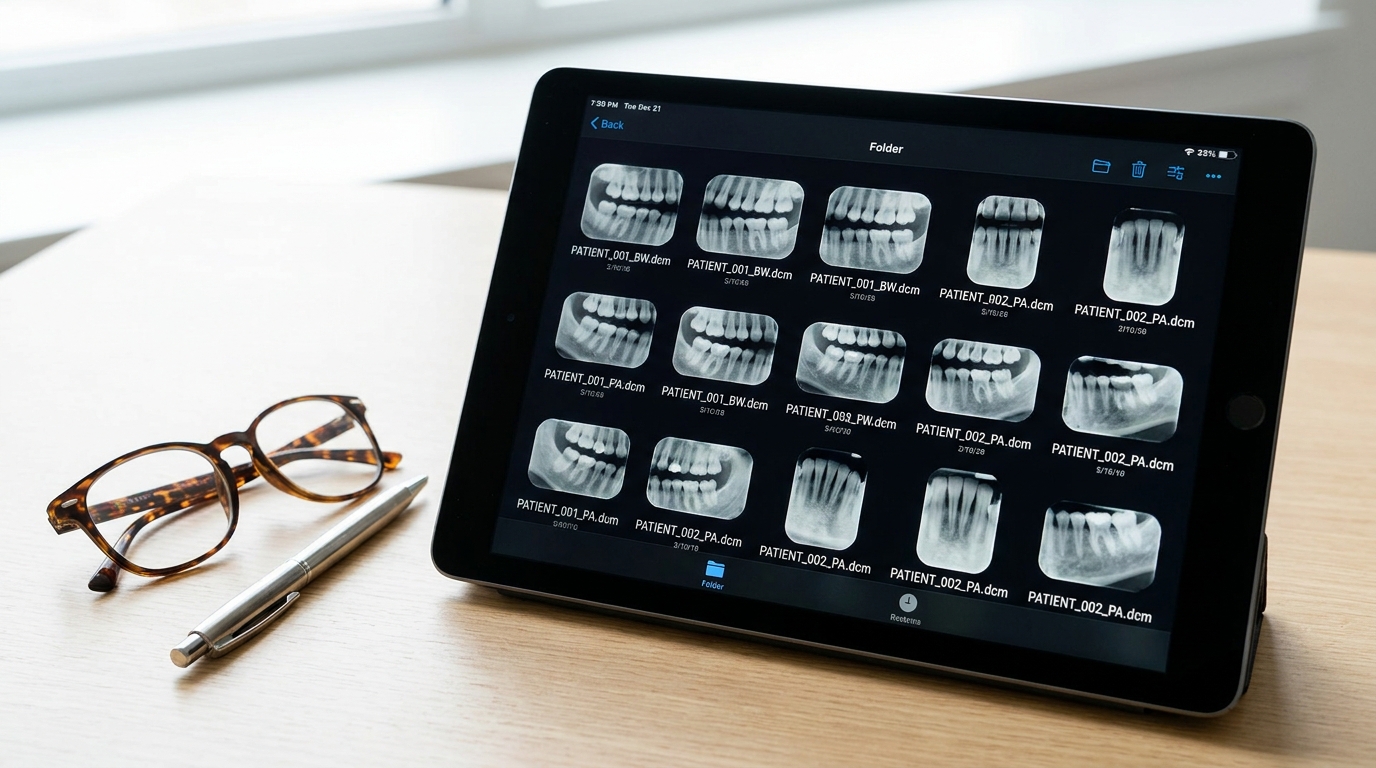
A tablet displaying multiple dental X-ray images is on a light wooden desk next to a pair of tortoiseshell glasses and a silver pen.

Frequently Asked Questions

1. What do dental X-rays show that a visual exam doesn't?
Dental X-rays reveal issues hidden beneath the gum line or between teeth, such as interproximal cavities, bone loss, infections at the tooth root, and developmental abnormalities. They provide a vital internal view that is impossible to detect with the naked eye.

2. How often should adults typically get dental X-rays?
For adults with good oral health and low risk of dental disease, bitewing X-rays are generally recommended every 2-3 years. However, this frequency can increase for individuals with a history of gum disease, frequent cavities, or other specific concerns.

3. Are digital dental X-rays safer than traditional film X-rays?
Yes, digital dental X-rays are significantly safer. They reduce radiation exposure by up to 90% compared to traditional film X-rays, making them a much lower-risk option for diagnostic imaging.

4. Is it okay to have dental X-rays if I am pregnant?
While dental X-rays use minimal radiation, Dr. Mark Farag generally recommends postponing routine X-rays until after pregnancy. In cases of dental emergency, extra lead shielding is used to ensure maximum safety for both the mother and baby.

5. How long does a dental X-ray procedure take?
Taking a full series of dental X-rays is a quick and efficient process, typically lasting only a few minutes. With digital X-rays, the images are instantly available for Dr. Mark Farag to review, minimizing your time in the chair.

6. What preparations are needed before getting dental X-rays?
No special preparation is usually required for dental X-rays. You will be asked to remove any metallic objects like jewelry, eyeglasses, or dentures that might interfere with the images. A lead apron will be provided for your protection.

Stay Informed with Expert Insights & Tips About Dental Care

7.10.2026

What to Know Before Getting a Dental Bridge

Dental bridges are fixed restorations that replace missing teeth, restoring function, aesthetics, and preventing shifts in adjacent teeth.

7.10.2026

Lakeland Dental Crowns

Dental crowns offer a durable and aesthetic solution for restoring damaged teeth, protecting them from further issues and improving overall oral health.

7.10.2026

Finding Your Best Implant Dentist in Lakeland, FL

Discover how Danielle found the best implant dentist in Lakeland, FL, for her natural-looking and long-lasting dental implant solution.

Stories Behind Lakeland’s Smiles

At Lakeland Dental Center, our patients’ experiences speak for themselves. From gentle cleanings to transformative cosmetic and implant treatments, each story reflects the care, comfort, and confidence we strive to deliver every day.

ο€…
ο€…
ο€…
ο€…
ο€…
I was nervous at first, but Dr. Maher Farag made the entire visit so calming and comfortable. The team is incredibly kind. I finally feel confident about my dental care.
Olivia K.
ο€…
ο€…
ο€…
ο€…
ο€…
β€œI had a sudden dental emergency, and Dr. Maher Farag saw me right away. He handled everything quickly and gently. I’m beyond grateful.
Chloe M.
ο€…
ο€…
ο€…
ο€…
ο€…
Dr. Mark Farag is both professional and personable. Every appointment feels smooth and stress-free. I trust him completely with my care.
Samuel J.
ο€…
ο€…
ο€…
ο€…
ο€…
The moment I stepped in, I felt welcomed. Dr. Maher Farag is incredibly gentle and thorough. I’m so happy I found this practice.
Hailey V.
ο€…
ο€…
ο€…
ο€…
ο€…
Very professional and enjoyable office. Explained all aspects of what dental treatment I received and needed in the future. They are patient centered and answer all your questions regarding your needs. A great experience from start to finish.
Dennis R.
ο€…
ο€…
ο€…
ο€…
ο€…
Hands down the best dental experience I’ve ever had. Dr. Mark Farag listened to my concerns and provided exceptional care.
Lucas H.
ο€…
ο€…
ο€…
ο€…
ο€…
Dr. Maher Farag transformed my smile with such precision and care. His attention to detail is truly exceptional. I highly recommend him.
Isabella F.
ο€…
ο€…
ο€…
ο€…
ο€…
Every visit with Dr. Mark Farag is easy and reassuring. He explains everything clearly and genuinely cares about his patients.
Ryan S.
ο€…
ο€…
ο€…
ο€…
ο€…
As someone who struggles with dental anxiety, I can’t thank Dr. Maher Farag enough. His gentle approach made all the difference.
Maya D.
ο€…
ο€…
ο€…
ο€…
ο€…
Fantastic care from start to finish. Dr. Mark Farag was professional, patient, and extremely skilled. My treatment was painless and the outcome exceeded expectations.
Christian W.

Schedule An Appointment

Now Accepting New Patients
Business Hours

Thank you for booking your appointment!

We’ve received your request and will contact you soon to confirm the details. We look forward to seeing you at Lakeland Dental Center.

We couldn’t submit your form.

Something interrupted the process, possibly a slow connection or a temporary glitch. Try again in a moment. If your info disappeared, we're really sorry and ready to help if you need it.