
The Morning Mirror Moment
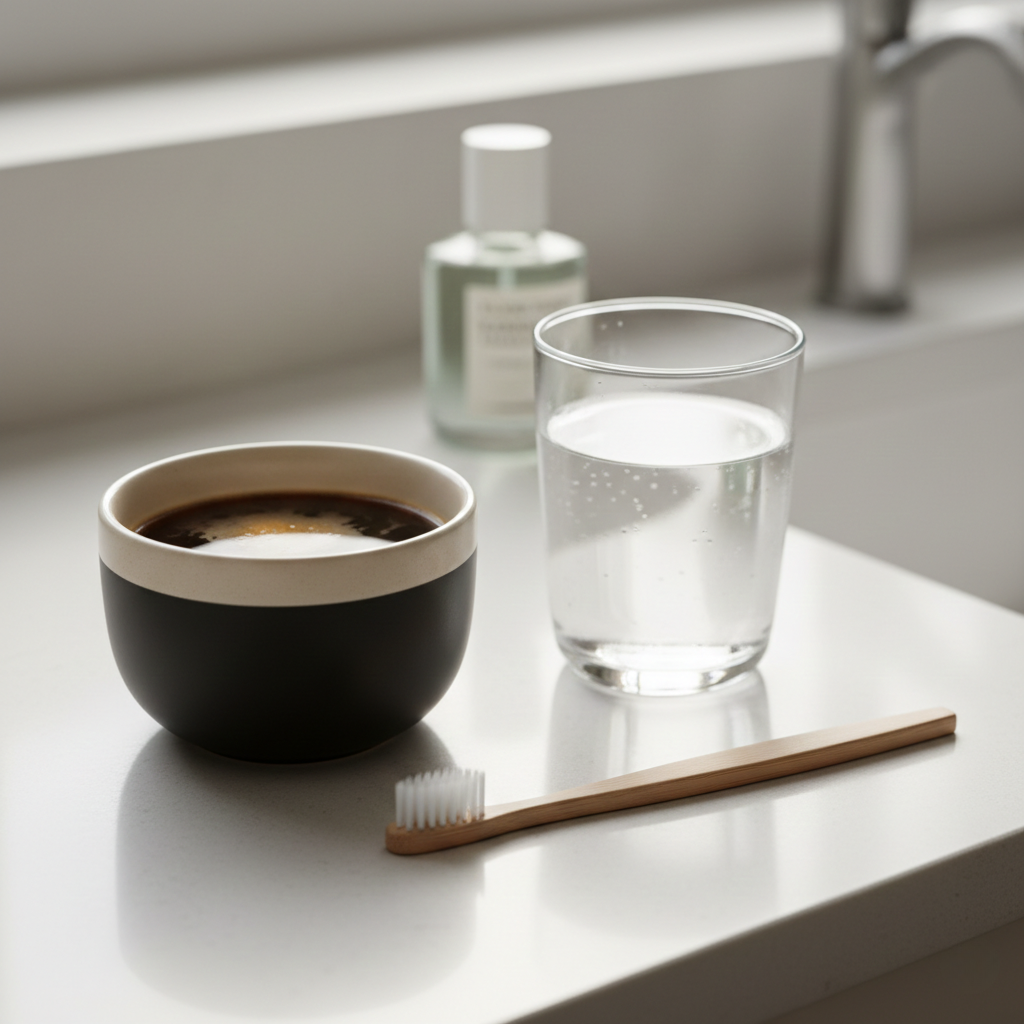
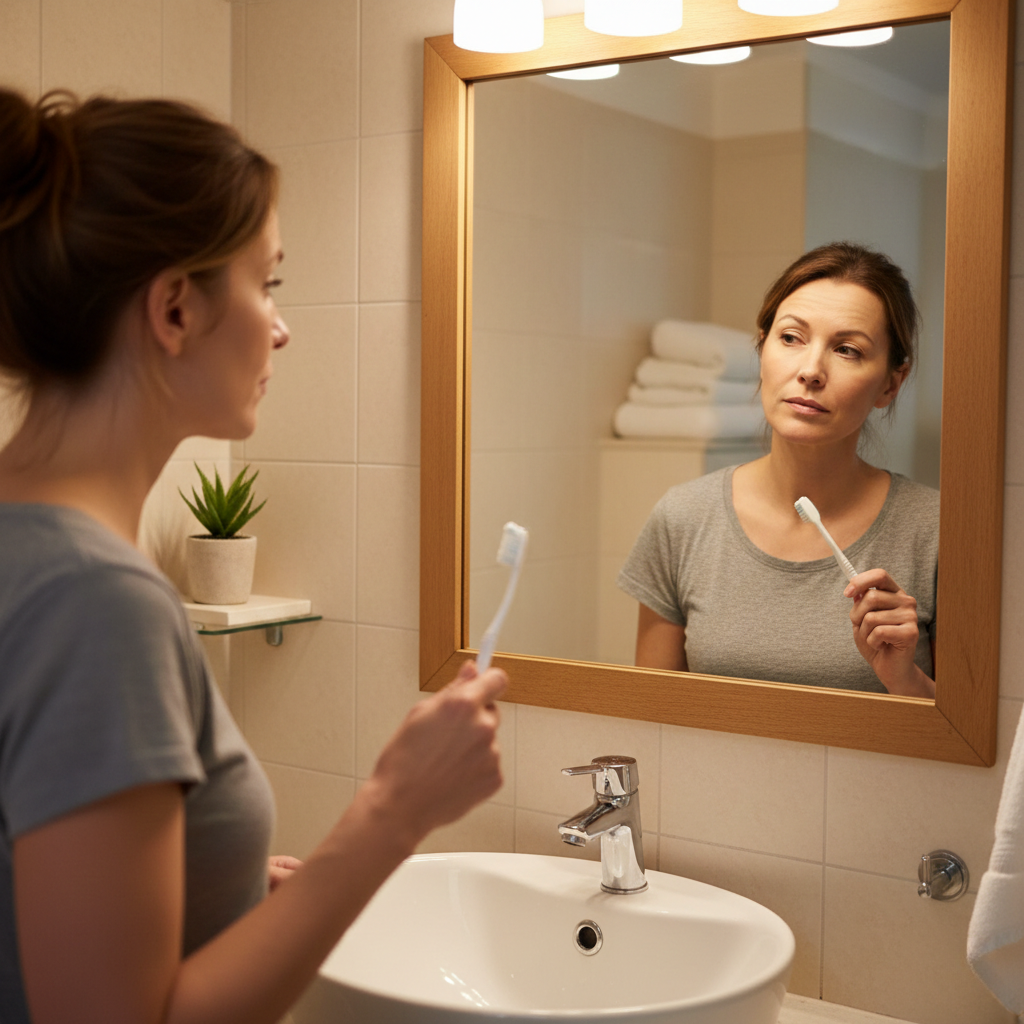
Sarah noticed it on a random Tuesday morning. Not a sharp pain, not a chipped tooth, just a yellow tint that seemed louder than it should have been. She leaned closer to the bathroom mirror, toothbrush still in hand, tilting her head like the light might explain it away. Coffee had always been her comfort ritual, two mugs every morning before work, but now it felt like it was staring back at her.
You might know that moment. The quiet worry that your smile no longer matches how you feel inside. Sarah wondered if people noticed. If her coworkers thought she skipped brushing. If whitening toothpaste had failed her somehow.
This is where most conversations about yellow teeth actually begin, not with science, but with self-consciousness.
Why Teeth Turn Yellow Faster Than You Expect
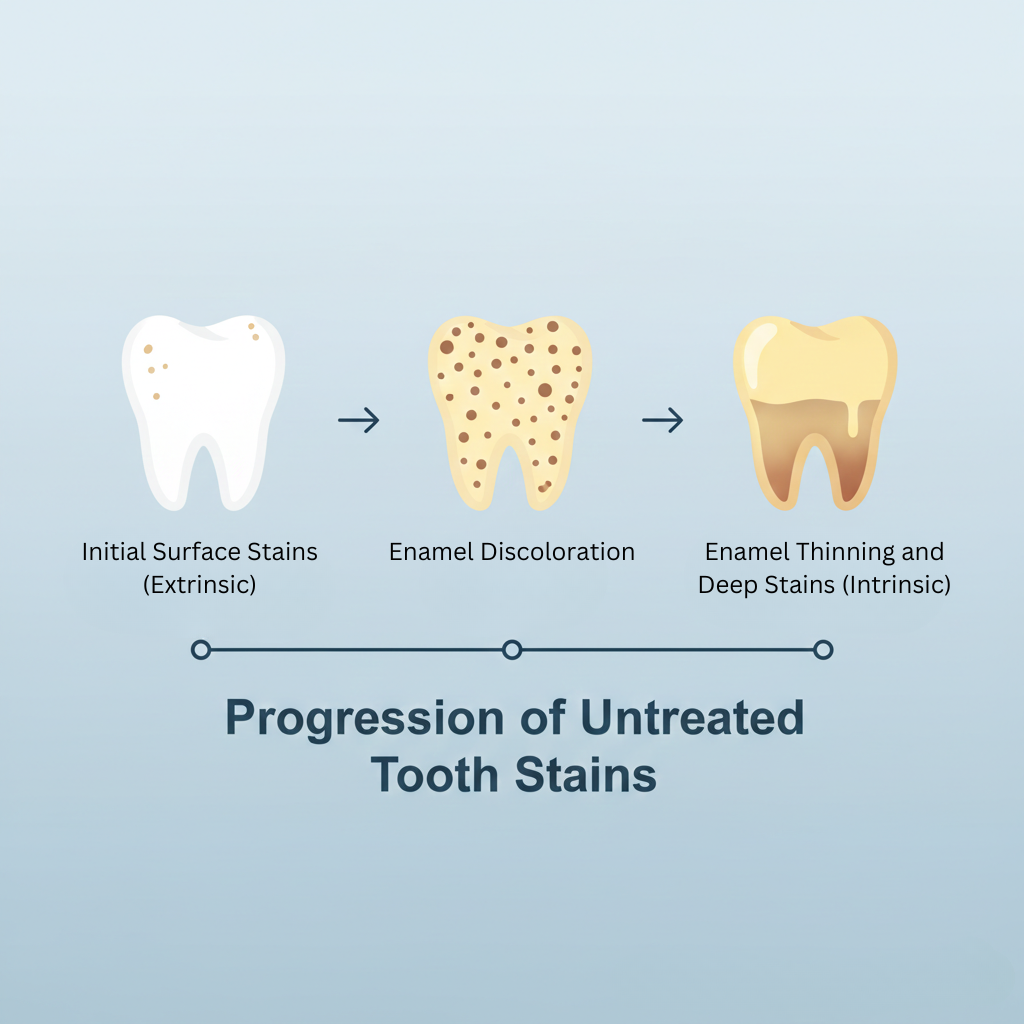
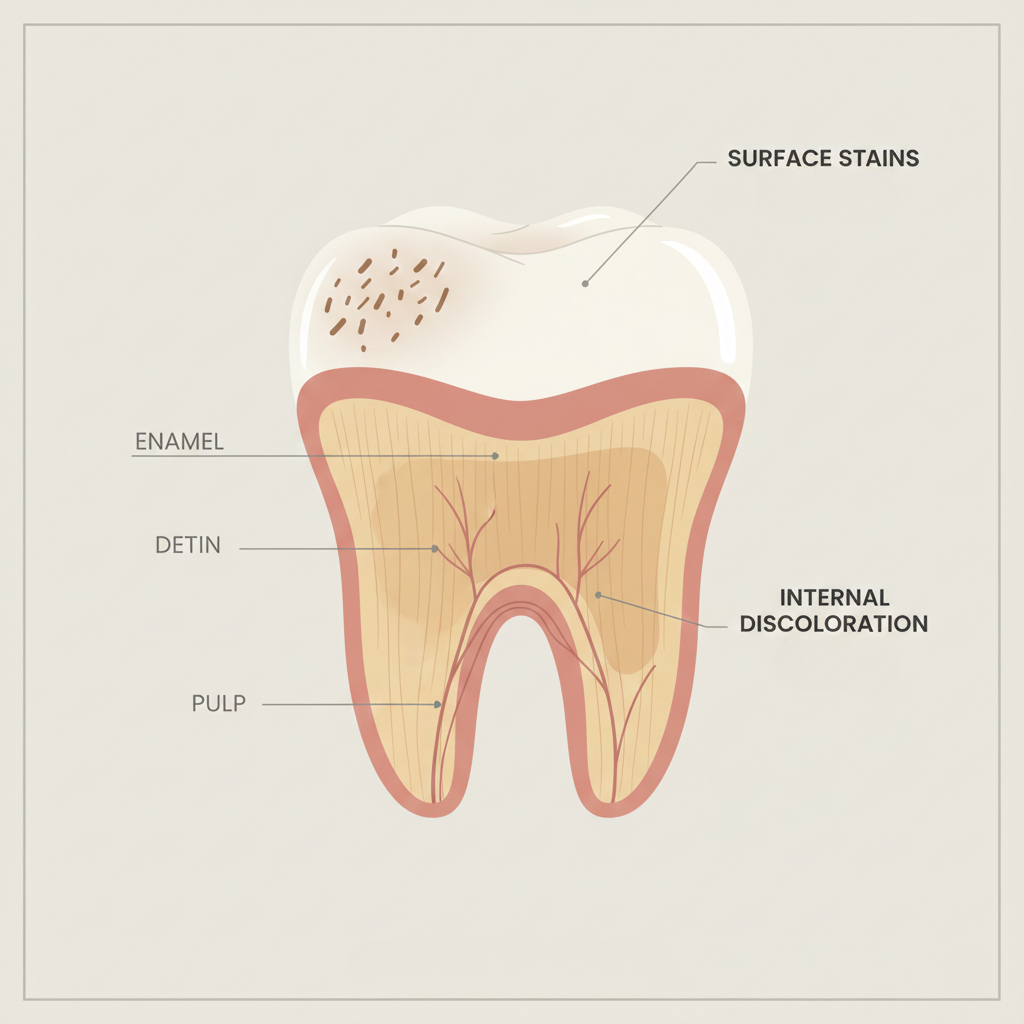
Sarah’s first instinct was blame. Too much coffee, maybe red wine on weekends, definitely not enough water during the day. But yellow stains on teeth rarely come from one bad habit. Think of enamel like a white linen shirt. Strong, yes, but still porous. Over time, pigments from coffee, tea, soda, and even healthy foods like berries sink in quietly.
Age also plays a role. As enamel thins, the naturally yellow dentin underneath shows through more. That can make teeth look stained even when they are clean. Medications, dry mouth, genetics, and past dental work all add layers to the story.
Sarah was surprised to learn that brushing harder was not the solution. Scrubbing enamel is like sanding that linen shirt. You lose protection, not stains.
The Whitening Myths Sarah Almost Believed
Late that night, phone glowing in the dark, Sarah searched how to get rid of yellow stains on teeth. Charcoal powders, lemon juice hacks, baking soda routines promised instant brightness. They also promised damage.
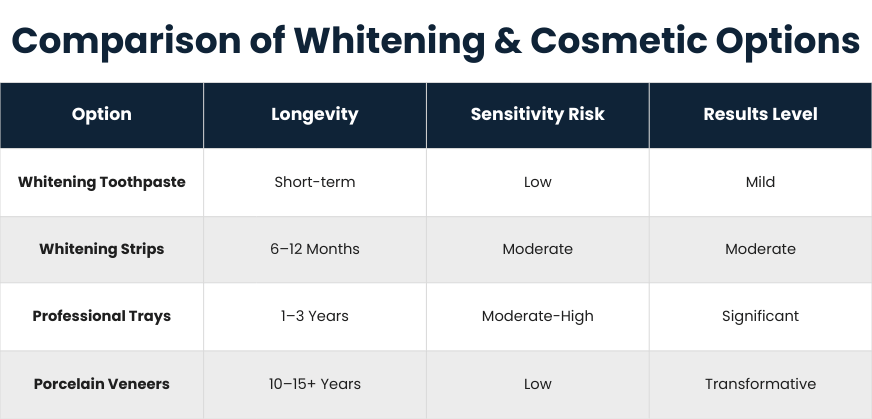
Acidic DIY methods weaken enamel, which ironically makes teeth look more yellow over time. Over-the-counter strips can help some surface stains, but they are one-size-fits-all in a world where smiles are not. Uneven results, sensitivity, and frustration are common.
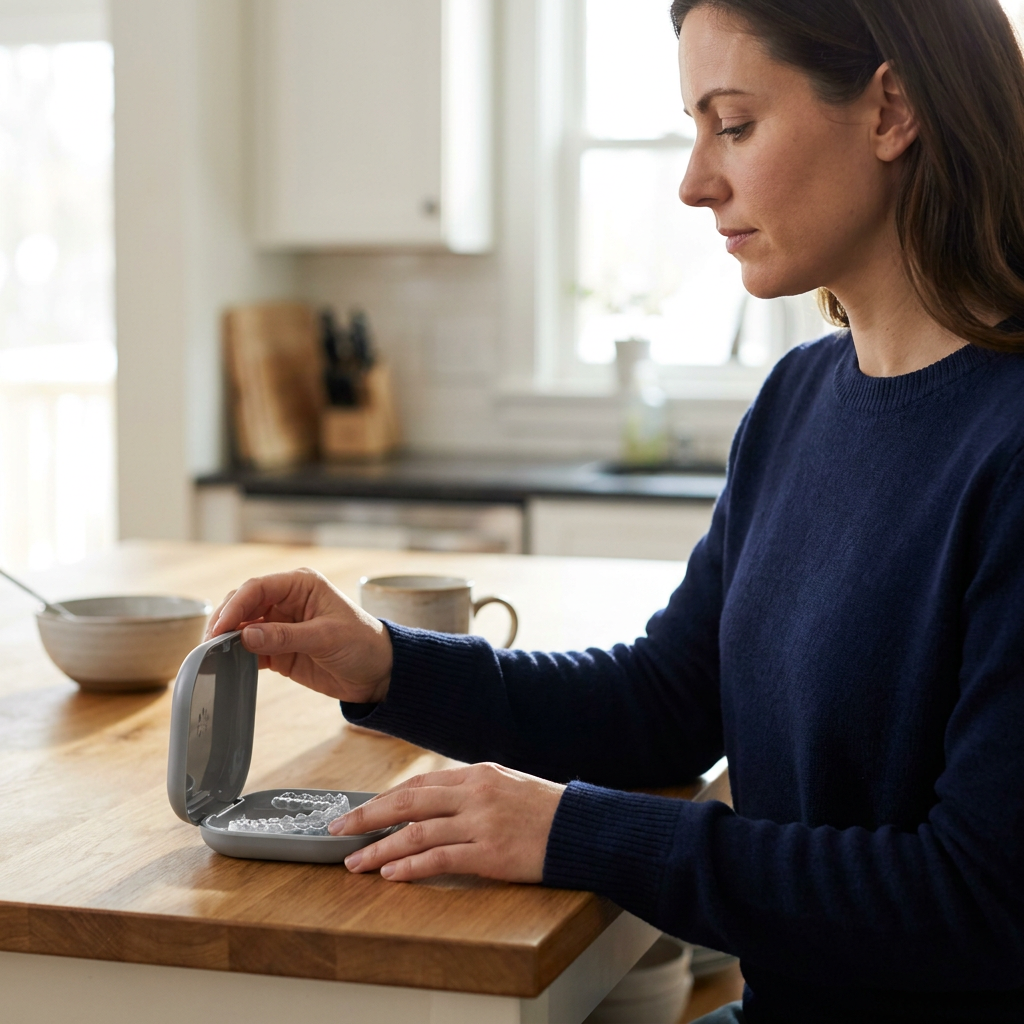
Sarah paused when she read about professional take-home whitening options. Custom trays, dentist-guided strength, gradual results. It felt slower, but safer. And honestly, more realistic.
What Actually Works And Why
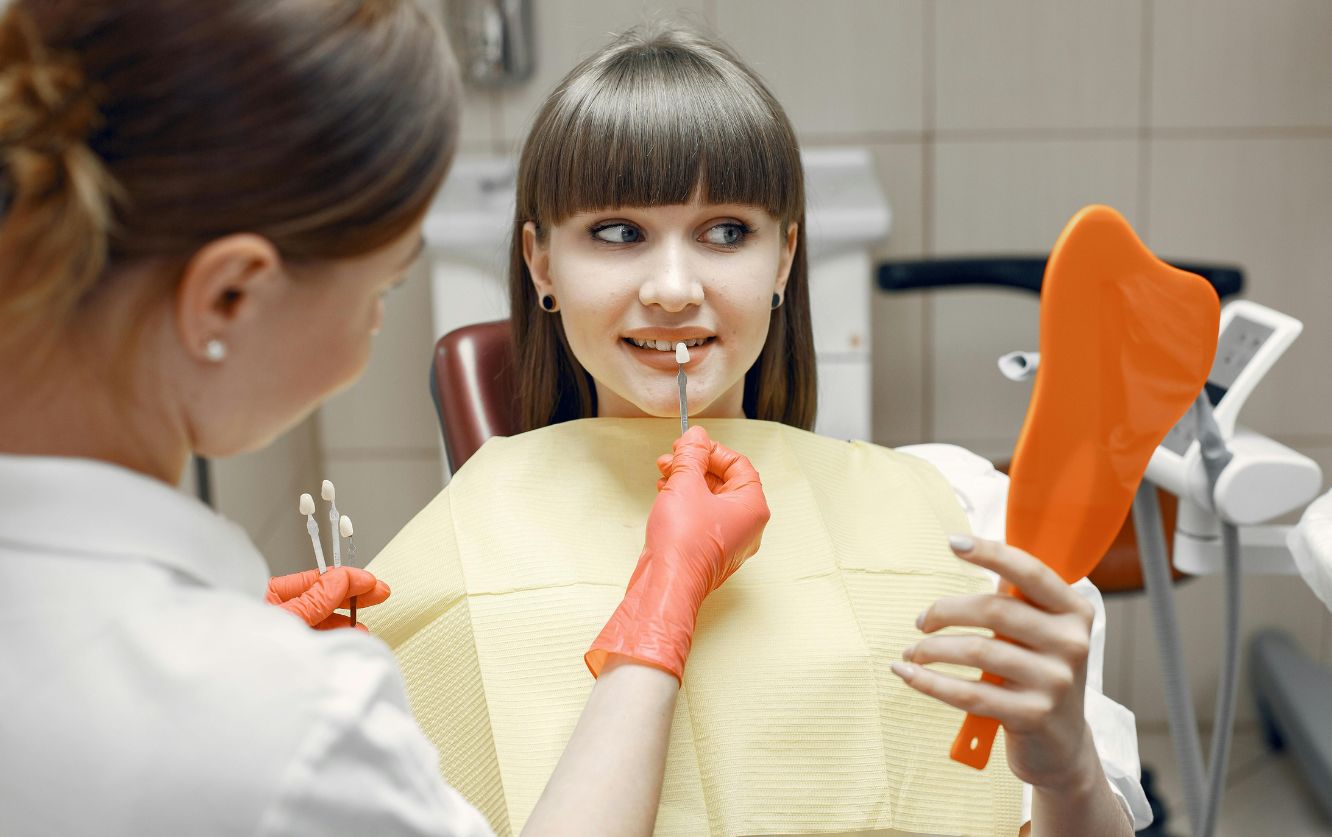
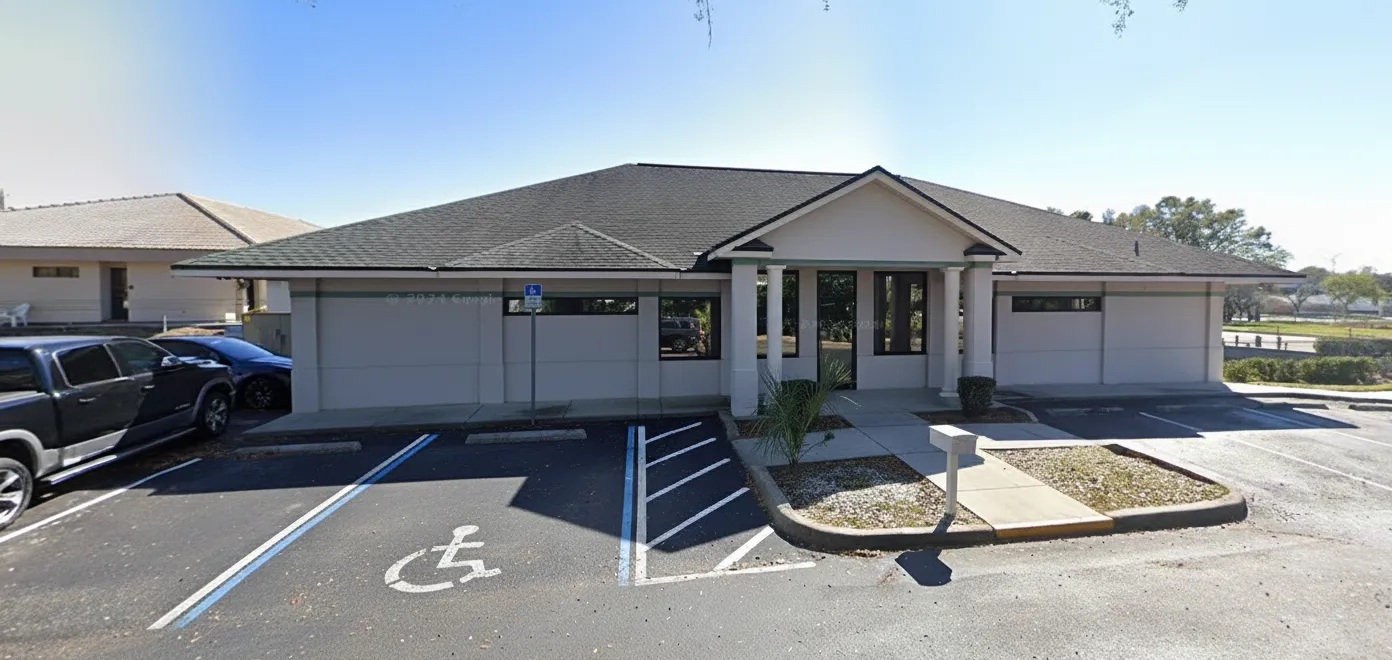
At her visit to Lakeland Dental Center, Sarah finally asked the question out loud. “Is this just how my teeth are now?” The answer was reassuring. Yellow stains can usually be improved, but the method matters.
Professional whitening targets stains without eroding enamel. Custom trays hold whitening gel evenly, like a fitted raincoat instead of a poncho. Results build over one to two weeks, not overnight, but they last longer.
For some patients, veneers or crowns are better solutions, especially when discoloration is internal. That conversation depends on your enamel health, sensitivity level, and long-term goals. This is why a personalized approach through services like take-home whitening or cosmetic dentistry matters more than chasing trends.